Category Archives: Articles

Smart Harvest: Empowering Farmers with Local Knowledge

Smart Harvest: Empowering Farmers with Local Knowledge

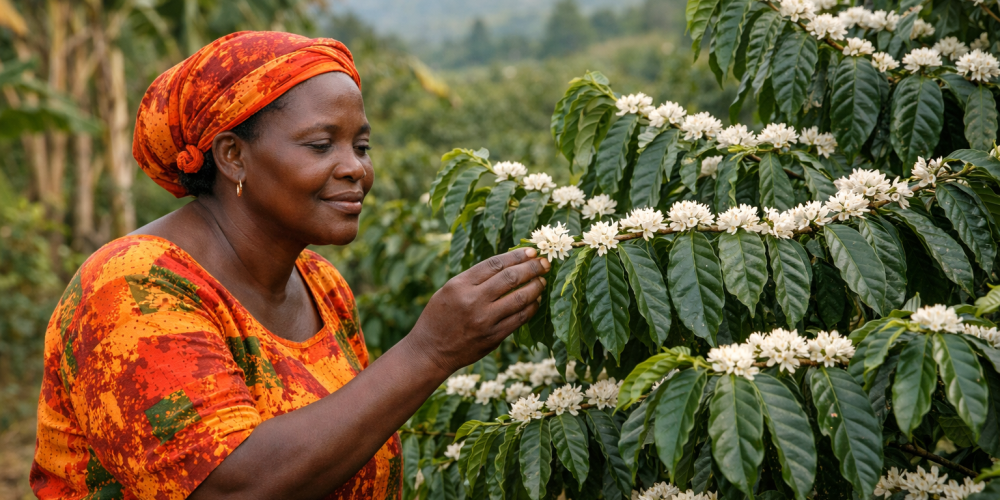
The Smart Harvest Project is transforming the way farmers learn and make decisions. Instead of relying on laboratories, weather stations, or formal classrooms, farmers are empowered to analyze soil, climate, and markets using practical, accessible methods rooted in local knowledge and shared community experience. This approach is firmly grounded in the principles of agroecology and food sovereignty, ensuring that farmers are not just passive recipients of information but active agents shaping their agricultural futures. Climate variability is a major challenge for farmers, and without reliable meteorological services, they often depend on traditional indicators such as flowering trees, bird migrations, and insect activity. Smart Harvest formalizes these practices, helping farmers record […]
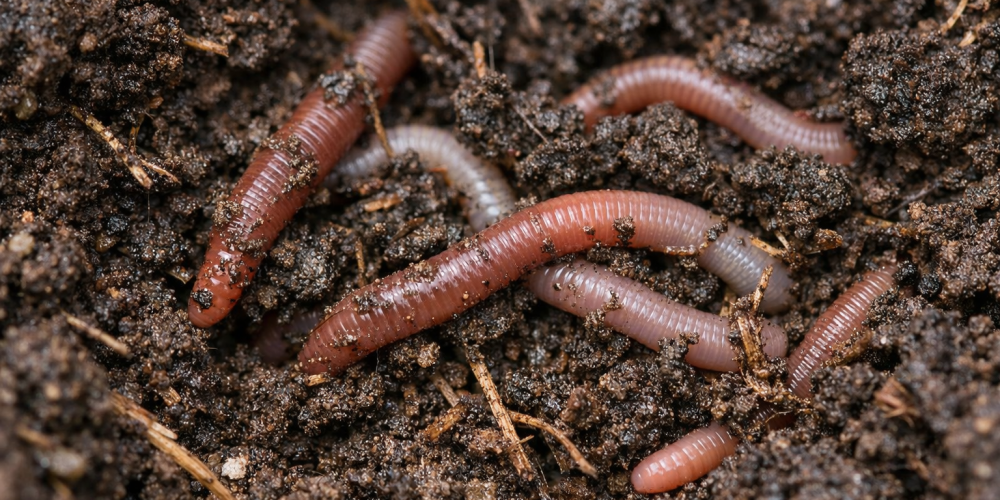
The Earthworm Count: Assessing Soil Health Through Living Indicators

The Earthworm Count: Assessing Soil Health Through Living Indicators

Healthy soil is alive. One of the simplest ways to measure this life is by counting earthworms. Earthworms are natural soil engineers, improving structure, fertility, and water movement. Their presence and abundance provide a direct measure of soil health, making the earthworm count a practical tool for farmers and trainers. Purpose of the Test The earthworm count is designed to evaluate biological activity in the soil. By digging a small section of land and counting the worms present, farmers can quickly determine whether their soil is fertile, resilient, and capable of supporting crops. This test requires no laboratory equipment and relies only on observation. Field Application The test is conducted […]

Identifying and Restoring Soil Health: Farmer’s Wisdom

Identifying and Restoring Soil Health: Farmer’s Wisdom

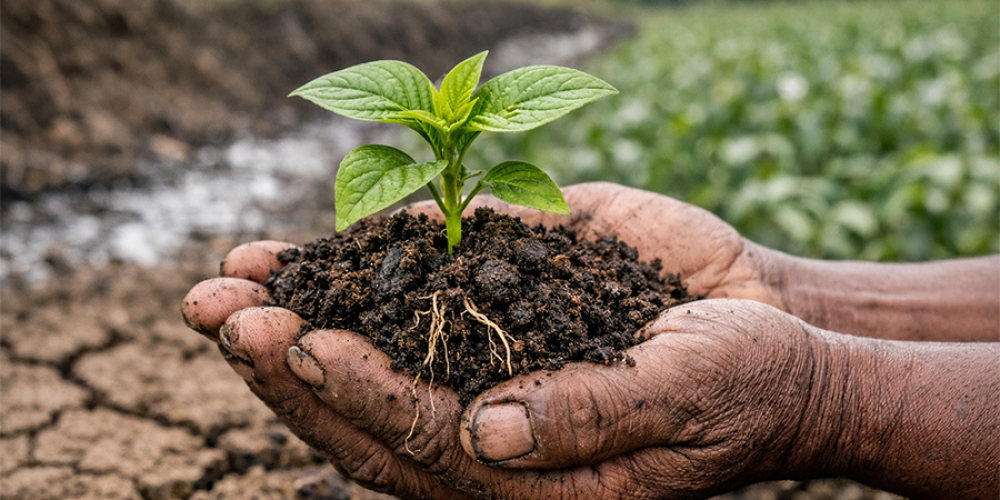
Soil is the heartbeat of farming. When it thrives, crops flourish; when it fails, farmers struggle. Scientists may rush to laboratories with test tubes and microscopes, but farmers have always had their own ways of reading the land. Over the weekend, I was priviledged to attend a women’s group monthly meeting, Twatumwa Womens group in Kabarole District. We talked about many things but one thing caught my eye … i asked them how they tell if soil is “bad” without any lab tests. Their answers were vivid, practical, and full of wisdom. As one farmer laughed, “The soil itself tells you. You just have to listen.” Cracked and Slippery Soil […]

Hon. Beatrice Kiraso Receives Prestigious Women’s Democracy Network Award

Hon. Beatrice Kiraso Receives Prestigious Women’s Democracy Network Award

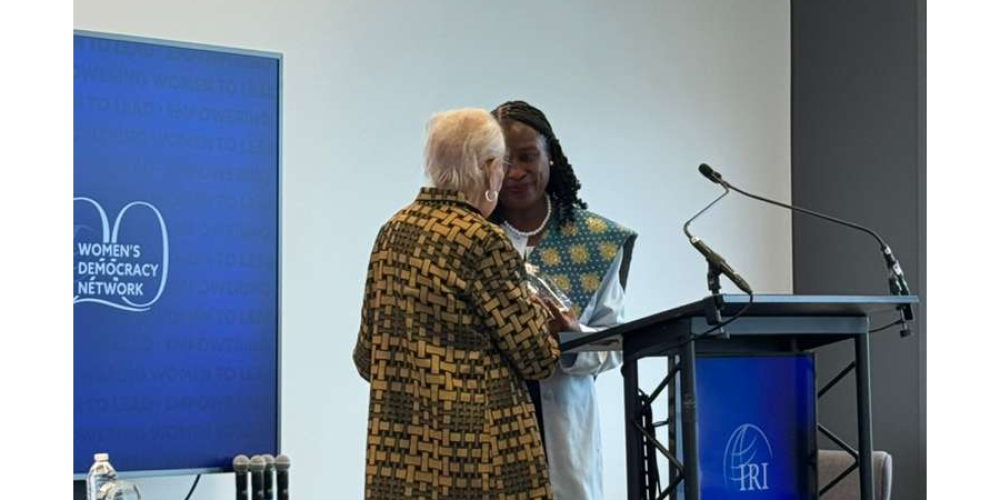
On March 3, 2026, Hon. Beatrice Kiraso, Chairperson of the Board of Bridge Africa Research Organisation (BARO) and Managing Director of the Bridge Group of Companies, was honored with the Jeane J. Kirkpatrick Award by the International Republican Institute’s Women’s Democracy Network (WDN). This award recognizes her outstanding leadership in advancing women’s political participation and democratic governance in Uganda and across East Africa. Hon. Kiraso’s lifetime of commitment to democracy has strengthened institutions, fostered inclusive participation, and built regional frameworks that promote cooperation and security. Her ability to unite political parties, civil society, religious leaders, and security agencies around a shared vision of non‑violence exemplifies the values of WDN—transforming individual […]

Understanding Your Soil: How to Conduct a Jar Test

Understanding Your Soil: How to Conduct a Jar Test

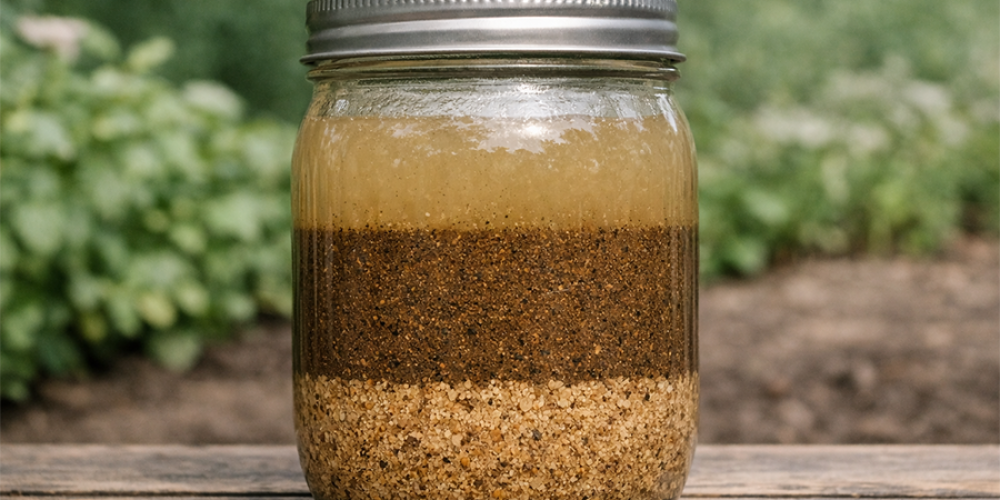
Healthy soil is the foundation of productive farming. Yet many farmers struggle to know whether their soil is sandy, clayey, or loamy without expensive laboratory tests. The soil jar test is a simple, low‑cost method that allows farmers to see the proportions of sand, silt, and clay in their soil using nothing more than a clear jar, water, and patience. Preparing for the Test To begin, collect soil from your field. Dig about 10–15 centimeters below the surface to avoid organic matter like roots and leaves. Mix soil from different spots so the sample represents the whole field. Place this soil into a clean, transparent jar, a one‑liter jar works […]

The Library Must Not Burn: Reviving Africa’s Farming Wisdom One Booklet at a Time

The Library Must Not Burn: Reviving Africa’s Farming Wisdom One Booklet at a Time

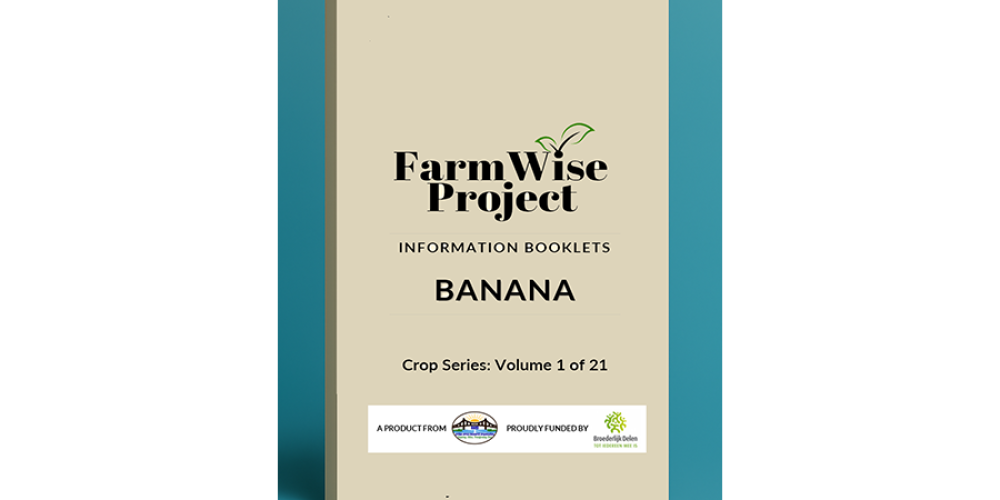
In a world racing toward industrial agriculture, BARO (Bridge Africa Research Organisation) is taking a bold step in the opposite direction … back to the roots. Through its Farmwise Project Information Booklets, BARO is building a living archive of indigenous and agroecological farming knowledge, one crop and one animal at a time. These booklets aren’t just manuals … they’re guardians of wisdom, designed to guide anyone, from seasoned farmers to curious first-timers, through the entire value chain of specific crops and livestock. Whether you’ve never planted the crop or raised livestock, these booklets will walk you through it … step by step, soil to table. The first volumes, banana farming […]

Seeds of Memory, Seeds of Change: Voices on Indigenous and New Varieties

Seeds of Memory, Seeds of Change: Voices on Indigenous and New Varieties

Yesterday, I attended a mid‑month meeting with a women’s group in Kahangi, Kabarole District, where they had invited me to share insights on group conflict. The session was lively, filled with laughter, thoughtful exchanges, and constructive debate. Just as I was preparing to leave, one of the members posed a question, that was totally off the day’s topic, and it kept me there for more than an extra hour: “What is the difference between the new and improved seeds?” That single inquiry shifted our conversation toward agroecology. Curious to hear their perspectives, I turned the question back to them, and what followed was a spirited discussion. The women explained that […]

Guardians of the Harvest: Katanga’s Papyrus Granary Baskets

Guardians of the Harvest: Katanga’s Papyrus Granary Baskets

In the fertile village of Kyarwagonya in Fort Portal, farmer William Katanga has become something of a local legend. His towering papyrus reed baskets, their lower halves smeared with cow dung, stand proudly in his granary, cradling beans, millet, cassava, and other staples. To the untrained eye, they may appear rustic, even curious. But to Katanga, they are lifelines,  guardians against insects, mold, rats, and the slow decay that robs many farmers of their hard-earned produce. The story begins in the wetlands, where papyrus reeds grow tall and thick. Katanga harvests them with care, drying them under the sun until they become pliable. Then, with practiced hands and a heart […]

Solar Innovation Brings Hope to Kigga Fishing Community

Solar Innovation Brings Hope to Kigga Fishing Community

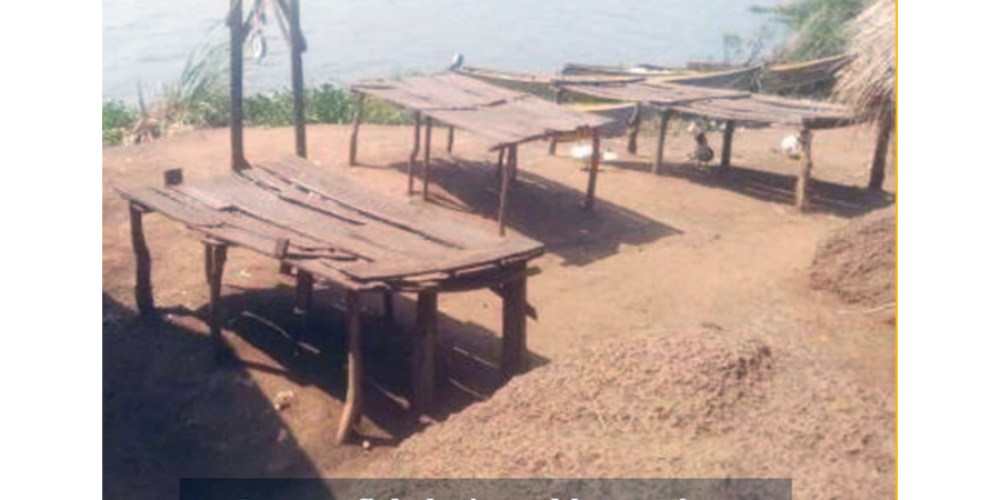
The fishing community of Kigga Landing in Apac District has long struggled with post-harvest losses caused by rudimentary sun-drying methods. Without reliable power or modern preservation technologies, fish often spoils before reaching the market, eroding incomes and weakening livelihoods. To address this challenge, Vitality Uganda Limited, a pioneering agribusiness and social enterprise, has launched the Kiga Green Energy Project. The initiative introduces solar-powered dryers that will revolutionize fish processing by ensuring consistent quality, reducing waste, and extending shelf life. This innovation not only improves food security but also creates new opportunities for local processors, traders, and small enterprises. As a trusted partner, BARO (Bridge Africa Research Organisation) was asked to […]

Family and Community Traditions Under Threat: How External Cultures Are Redefining Childhood in Uganda

Family and Community Traditions Under Threat: How External Cultures Are Redefining Childhood in Uganda

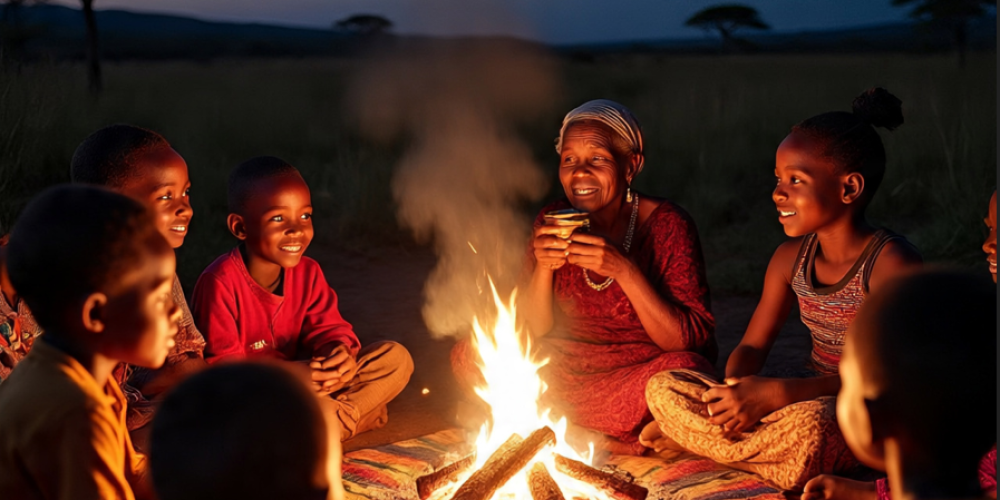
In many Ugandan households, evenings once carried a familiar rhythm. Families gathered around the hearth, children sat cross-legged on mats, and elders told stories of Kintu, Nambi, how clans came into existent and the heroic deeds of clan ancestors. These sessions were not mere entertainment; they were classrooms of culture, instilling values of respect, unity, and identity. Today, however, the glow of the fire has been replaced by the blue light of television screens and smartphones. Children are more likely to be absorbed in cartoons from abroad or scrolling through TikTok than listening to their grandmother’s folktales. The penetration of external cultures has gradually reshaped childhood in Uganda. Clan gatherings, […]