

Digital Democracy Project
Our Project Mission
To harness the power of technology to promote inclusive, transparent, and accountable governance in Uganda, while ensuring a safe and secure online environment.
The Digital Democracy Project aims to achieve the following objectives:
- To promote e-governance and digital transformation in public institutions, enhancing service delivery and citizen engagement
- To foster a safer internet environment through awareness, education, and advocacy, protecting citizens from online harms and promoting digital literacy
- To leverage digital platforms to amplify citizen voices and facilitate meaningful participation in democratic processes
- To promote transparency and accountability in governance through data-driven research and advocacy
Loading…
-
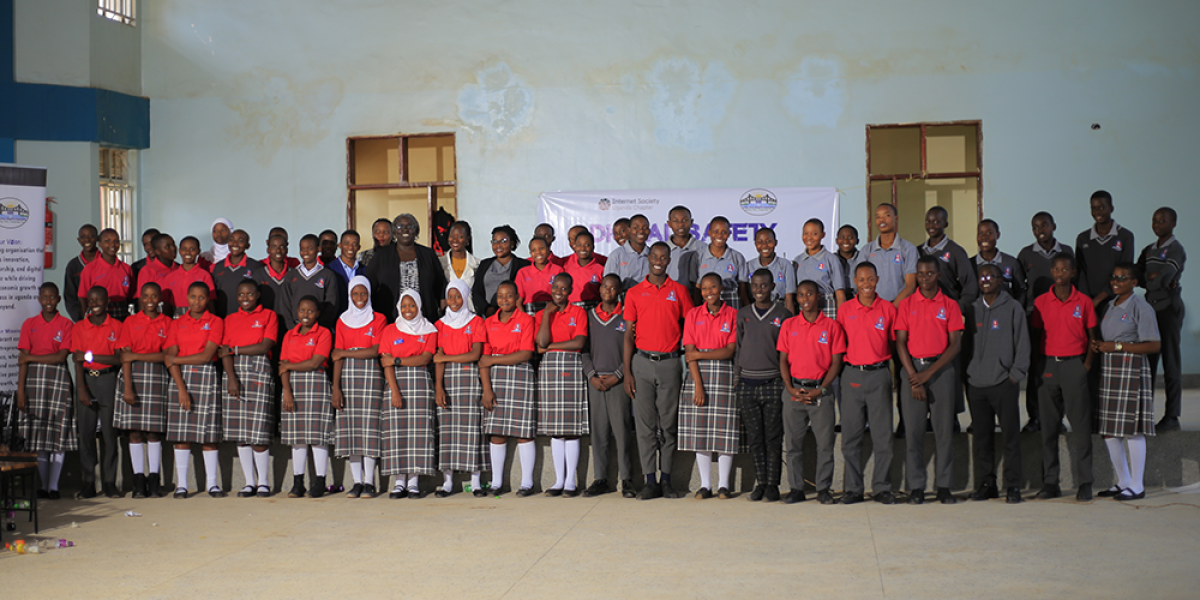
Digital Safety: Advancing Child online safety in Uganda.
One day seminar with student leaders of Fort Portal SS.
-

Safer internet Day Tweeter Posts
#TogetherForABetterInternet #saferinternetday


Our Digital Democracy Project engages in activities that promote online safety and security.
BARO is dedicated to fostering a safer and more secure online environment, recognizing the critical importance of protecting individuals from various digital threats. Through our initiatives, we aim to promote online safety and security, thereby preserving sensitive information, boosting online confidence, and encouraging responsible digital citizenship. By emphasizing the importance of online safety, we empower individuals to navigate the digital world with greater assurance, ultimately contributing to a more trustworthy and positive internet experience for all participants in our democratic processes.
Furthermore, our commitment to online safety and security is integral to ensuring that digital platforms remain a vibrant and inclusive space for civic engagement, free expression, and access to information. By protecting users from online threats and promoting best practices in digital security, we can help build a more resilient and trustworthy digital ecosystem that supports the principles of democracy and facilitates informed participation in public life.
Articles Under "Digital Democracy Program"
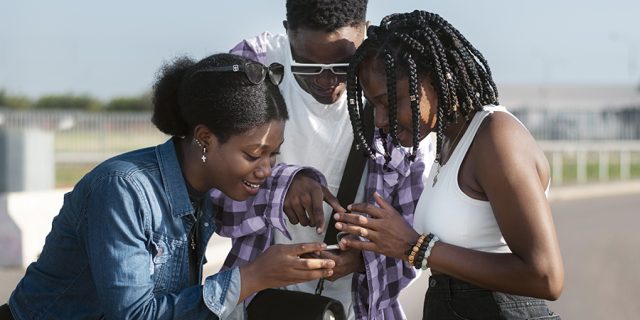
Think Before You Share: How Youth Can Stop Misinformation Online
In Uganda’s fast-growing digital world, information travels faster than ever. A single post, screenshot, or forwarded message can reach hundreds … sometimes thousands … within minutes. But not everything we see online is true. And when false information spreads, it can cause real harm: confusion, fear, conflict, and even danger. That’s why the SMS tip—“Think before you share online. Verify sources to avoid spreading misinformation” … is more than advice. It’s a skill every young person needs. So, what does it mean to verify a source? It means checking where the information came from before you pass it on. For example, if you see a post claiming that a school is closing or a politician has been arrested, don’t just forward it. Ask yourself: Who wrote this? Is it from a trusted news outlet like New Vision, NTV Uganda or Daily Monitor? Can I find the same story on other reliable websites? Is the date recent, or is it an old post being recycled? If the post comes from an anonymous account, a blog with no author, or a headline that sounds too dramatic to be true … pause. It might be fake or misleading. UNICEF suggests a simple method: Stop. Verify. Correct. Stop before reacting emotionally. Verify by checking multiple sources. Correct by sharing the truth or reporting false claims. Let’s take a real example. During the COVID-19 pandemic, a message circulated on WhatsApp saying that drinking hot water every hour could cure the virus. Many people believed it … but it wasn’t true. Another is that drinking mirinda fruity prevents your HIV status from reading “positive” when you go for a test. Health experts have never made these claims!! Sharing it gives people false hope and distracts them from real safety measures. Misinformation isn’t just about health. It can affect elections, fuel tribalism, or damage someone’s reputation. That’s why projects like the Digital Democracy Project are helping students across Uganda learn how to spot fake news, question sources, and become responsible digital citizens. Here are five quick ways to verify before you share: Search for the same story on trusted news sites. Check the date … old news can be misleading. Look for quotes or data from official sources. Use fact-checking platforms like Africa Check or PesaCheck. Ask yourself: Does this post help people, or does it stir anger and fear? As the Jed Foundation says, “Being able to identify trusted sources can help you cope with information overload and feel more confident online.” So next time you’re about to share something, take a moment. Think. Verify. Because peace and truth online begin with you. Your choices can protect your friends, your community, and your country. Take the pledge: Think before you share. Verify sources. Stop misinformation. Share responsibly. Uganda’s digital future depends on it.
17. Nov 2025

The Digital Battlefield: Ending Gender-Based Violence in the 16 Days of Activism
As the world marks the 16 Days of Activism Against Gender-Based Violence, the 2025 theme … UNITE to End Violence Against All Women and Girls, rings with urgency and clarity. At BARO, we embrace this call with a deliberate focus on ending violence against women and girls in digital spaces. Because digital violence is not abstract. It is real, relentless, and deeply harmful. It affects one in three women globally, and its impact reverberates through every corner of society. Picture this: a young girl in Uganda receives threatening messages after refusing to share intimate photos. A woman’s private images are leaked without consent, her reputation shredded overnight. A student is bullied into silence for expressing her views online. These are not isolated incidents, they are part of a growing crisis. As mobile access expands and digital platforms become central to daily life, the risks multiply. Through our Digital Democracy Project, we’ve heard these stories firsthand while educating students on safe internet use and digital rights. Digital violence is a human rights emergency. But awareness alone is not enough. We need a reckoning. Survivors must be seen not as victims, but as rights-holders. Governments, tech platforms, and institutions must be held accountable. Laws must evolve to protect against online abuse. Justice must be accessible. And digital spaces must be governed by principles of dignity, equity, and inclusion. In Uganda, change is already underway. Initiatives like the Digital Democracy Project and youth-led advocacy are challenging harmful norms and building safer online communities. These efforts are shaping policy, empowering students, and defending digital dignity. But the fight requires more than a few brave voices, it demands collective action. Men and boys, educators and developers, policymakers and parents, everyone has a role to play. As Barack Obama once said, “Together we can change our culture for the better by ending violence against women and girls… all of us, in our lives, have the power to set an example.” This year, let’s make the 16 Days of Activism more than a campaign. Let’s make it a turning point. Let’s UNITE—not just in hashtags, but in classrooms, courtrooms, boardrooms, and code. Let’s build digital spaces that are safe, inclusive, and just. Gender-based violence, online or offline, is not inevitable. It is a choice society makes. And it is a choice we can unmake. From November 25 to December 10, join us in rallying around this theme. Visit our page for daily messages, SMS tips, student reflections, and community resources. Let’s make digital violence a thing of the past. Let’s make Uganda a leader in the fight for digital dignity. Let’s make it happen … together.
13. Nov 2025
Peaceful Voices, Powerful Change
Today, September 21st, the world pauses to mark the International Day of Peace … a day not just for reflection, but for resolve. The United Nations’ theme this year, “Act Now for a Peaceful World,” is a rallying cry for communities across the globe to move beyond platitudes and into purposeful action. In Uganda, where the countdown to the 2026 national elections has begun, this call could not be more timely, or more urgent. Peace is not a distant dream reserved for diplomats and declarations. It is a daily decision, shaped by how we speak, how we lead, and how we engage, especially in the digital spaces that now define our civic lives. Uganda’s youth, who make up over 75% of the population, are increasingly turning to social media and messaging platforms to express their views, mobilize peers, and hold leaders accountable. But with this power comes responsibility. The digital arena can be a force for unity, but it can also fuel division. Hate speech, misinformation, and online harassment are not just disruptive, they are dangerous. They erode trust, inflame tensions, and threaten the very fabric of democratic participation. As one student in Fort Portal recently shared during a Digital Democracy Project workshop, “I used to think the internet was just for fun. Now I see it’s also a battlefield, and I want to be a peacekeeper.” Initiatives like BARO’s Digital Democracy Project are helping young Ugandans become just that. Through school-based trainings, community dialogues, and SMS campaigns, the project is equipping youth with the tools to navigate the digital world safely and responsibly. It’s not just about avoiding harm … it’s about actively building peace. As Facilitator Peter put it, “We’re not just teaching digital literacy. We’re teaching digital citizenship.” This Peace Day, we must recognize that peace is not confined to treaties or town halls. It must extend to comment sections, group chats, and viral threads. It must be visible in how we respond to dissent, how we amplify truth, and how we protect dignity, especially for women, girls, and marginalized voices who are often the first targets of online abuse. As we approach the 2026 elections, let us remember the words of Wangari Maathai: “You cannot protect the environment unless you empower people, you inform them, and you help them understand that these resources are their own.” The same is true of peace. It must be owned, understood, and practiced—by all of us. So today, let’s act. Let’s act in our homes, our schools, our communities, and our digital spaces. Let’s act with courage, with compassion, and with clarity. Because peace is not passive. It is powerful. And it begins with us. Act now … for a peaceful Uganda. Act now … for a peaceful world.
21. Sep 2025

How to Identify and Avoid Online Scams: A Guide for Safer Digital Engagement
In today’s increasingly digital world, online scams have become more sophisticated, targeting individuals across all demographics, especially those with limited digital literacy. From phishing emails to fake job offers and fraudulent websites, these scams exploit trust, urgency, and lack of awareness. For communities in Uganda and across Africa, where mobile internet access is growing rapidly, understanding how to identify and avoid online scams is essential for digital resilience and safety. Online scams often begin with messages that seem legitimate. These may come via email, SMS, WhatsApp, or social media platforms. A common tactic is to impersonate trusted institutions such as banks, NGOs, or government agencies. For example, a scammer might send an email claiming to be from a local bank, asking the recipient to “verify their account” by clicking a link and entering personal information. The link may lead to a fake website designed to look authentic, but its sole purpose is to steal sensitive data. Another frequent scam involves offers that appear too good to be true. These include promises of free money, scholarships, jobs, or prizes. A message might say, “Congratulations! You’ve won 5 million UGX. Click here to claim your prize.” Such messages often create a sense of urgency, pressuring the recipient to act quickly without verifying the source. Scammers rely on emotional manipulation, excitement, fear, or desperation, to override caution. Requests for personal or financial information are a major red flag. Legitimate organizations will never ask for passwords, mobile money PINs, or national ID numbers via email or text. If a message asks for such details, it should be treated with suspicion. In one example from a Kampala-based youth group, several members received messages claiming to be from a government COVID-19 relief program. The messages asked for mobile money account details to “process the payment.” Upon investigation, the program was found to be fake, and several individuals had already lost money. Scam messages often contain spelling and grammar errors, awkward phrasing, or inconsistent formatting. These are signs that the message may not be professionally written or verified. For instance, a message might read, “Dear user, your acount is block. Kindly click hear to unblock.” Such errors are common in phishing attempts and should prompt immediate caution. Another tactic used by scammers is secrecy. They may instruct the recipient not to tell anyone about the offer or request, claiming it is confidential or time-sensitive. This isolates the victim and prevents them from seeking advice or verification. In rural communities, where digital literacy may be low and peer support limited, this tactic can be particularly effective. To protect yourself and others, it is important to pause and verify before clicking on links, downloading attachments, or responding to messages. Use official websites and contact numbers to confirm any claims. Enable two-factor authentication on your accounts to add an extra layer of security. Most importantly, educate others, especially youth, women, and elders, about these risks. Community workshops, school sessions, and mobile apps like Uwazi can play a vital role in spreading awareness and building digital confidence. Uwazi’s offline-first, multilingual design is tailored to address these challenges. By providing accessible information on digital rights and reporting mechanisms, it empowers users to recognize scams and take action. Through community polls and outreach, BARO has identified a significant gap in digital safety knowledge, particularly among low-literacy users. This gap is not just a technical issue, it is a matter of justice, inclusion, and empowerment. Digital safety is not a luxury; it is a necessity. As Uganda and other African nations continue to embrace digital transformation, ensuring that every citizen can navigate the online world safely must be a shared priority. By learning to identify scams and sharing that knowledge widely, we build a more resilient and informed society, one click at a time.
11. Sep 2025
