

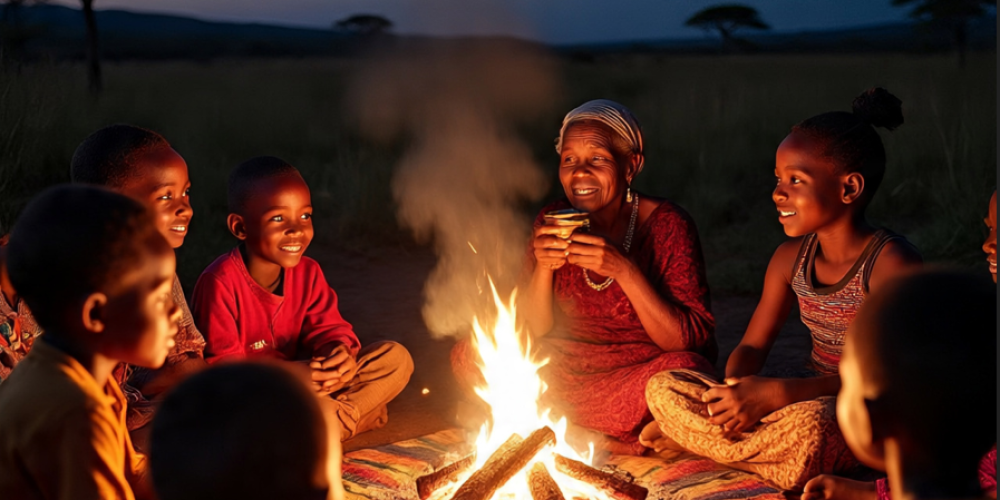
In many Ugandan households, evenings once carried a familiar rhythm. Families gathered around the hearth, children sat cross-legged on mats, and elders told stories of Kintu, Nambi, how clans came into existent and the heroic deeds of clan ancestors. These sessions were not mere entertainment; they were classrooms of culture, instilling values of respect, unity, and identity. Today, however, the glow of the fire has been replaced by the blue light of television screens and smartphones. Children are more likely to be absorbed in cartoons from abroad or scrolling through TikTok than listening to their grandmother’s folktales.
The penetration of external cultures has gradually reshaped childhood in Uganda. Clan gatherings, once central to social life, are now rare. In Toro, for example, elders recall how children used to participate in Amakondere dances during clan ceremonies, learning not only rhythm but also the meaning of community. Now, many young people prefer Western pop music and dance challenges they see online. The communal spirit that bound families together is being replaced by individualistic lifestyles, where children spend more time alone with gadgets than with relatives.
Respect for elders, a cornerstone of Ugandan culture, is also under strain. Traditionally, children greeted elders with humility, often kneeling or bowing as a sign of respect. In Buganda, and the rest of the country, this practice was a marker of discipline and cultural pride. Yet today, influenced by foreign media that emphasizes equality without hierarchy, many children see these gestures as outdated. Teachers in both rural and urban schools have noted that students increasingly challenge authority, adopting attitudes they pick up from Western shows and social media influencers. The “my rights” concept. While questioning can be healthy, the erosion of respect risks weakening the intergenerational bonds that sustain communities.
The shift is visible in everyday life. In rural villages of Kabarole, evenings that once echoed with riddles and proverbs now pass quietly as children retreat indoors to watch international football matches or soap operas. Parents lament that their children know more about Lionel Messi for instance, than about Ndahura, the legendary king of the Bachwezi dynasty. In urban centers, birthday parties with imported themes … superheroes, Disney princesses, or Hollywood celebrities, have replaced traditional celebrations that emphasized clan identity and communal feasting.
This cultural transformation is not accidental. Globalization, urbanization, and the spread of digital technology have accelerated exposure to external cultures. Social media platforms, television networks, and even schools often prioritize foreign content over indigenous knowledge. While these influences bring diversity and new opportunities, they also risk erasing the cultural fabric that defines Ugandan childhood.
Yet, all is not lost. Across Uganda, cultural leaders and organizations are working to revive traditions. In Fort Portal, initiatives like the Toro Cultural Information Platform by BARO are digitizing folktales and clan histories, making them accessible to young people in modern formats. Schools in Gulu have begun integrating traditional dances and storytelling into extracurricular activities, reminding children that their heritage is not only valuable but also vibrant. Elders in Masaka continue to organize evening storytelling sessions, adapting them to modern life by incorporating lessons about digital safety alongside traditional proverbs.
The challenge, therefore, is not to reject external cultures outright but to balance them with local traditions. Ugandan children can enjoy global music and technology while still learning the values of respect, community, and identity from their elders. Preserving cultural practices requires intentional effort: parents must prioritize storytelling, schools must embrace indigenous knowledge, and communities must celebrate clan gatherings as more than relics of the past.
Childhood in Uganda is being redefined, but it need not be stripped of its roots. By reclaiming family and community traditions, Ugandans can ensure that the next generation grows up not only connected to the world but also deeply grounded in their own heritage. The fire may burn alongside the screen, but the stories of ancestors must continue to light the way.
“A people without the knowledge of their past history, origin and culture is like a tree without roots.” – Marcus Garvey

